
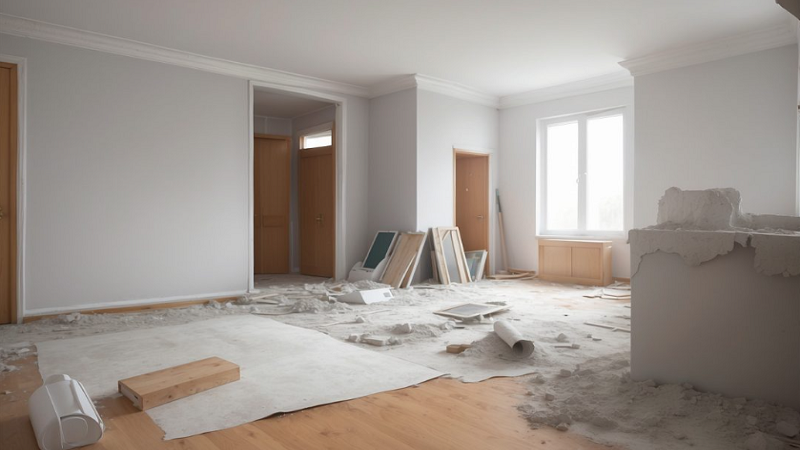
Dust and debris can make a finished home look unfinished.
That matters when a property is being prepared for listing photos, showings, or an open house. Buyers see the condition of the home through both photographs and physical visits.
If you are dealing with HomeRocketRealty dust and debris, start with the areas buyers notice most. Clean floors, counters, baseboards, windowsills, vents, fixtures, and other visible surfaces.
If the dust came from construction or renovation, use a more careful cleanup process. The U.S. Environmental Protection Agency recommends containing renovation dust and using appropriate cleaning methods, especially when lead-based paint may be involved.
Why Dust and Debris Matter Before Listing
A home does not need to be perfect to be listed.
However, visible dust, loose debris, construction waste, and dirty surfaces can distract from the property’s actual features.
This becomes especially noticeable in listing photographs. Bright lighting can reveal dust on dark surfaces, windows, shelves, floors, and fixtures.
Real-estate preparation guidance commonly recommends removing dust and debris before photography. One home-selling guide specifically advises sweeping dust and debris from surfaces before listing photos.
The goal is simple.
Make the property look finished, clean, and ready for someone to inspect.
Where Dust and Debris Usually Collect
Dust does not always remain in obvious places.
Before photographs or showings, inspect areas that are easy to overlook.
Baseboards and Trim
Baseboards collect dust along their upper edges and in corners.
Run a microfiber cloth along the surfaces and check behind furniture where practical.
Window Sills and Tracks
Windows can show fine dust very clearly in photographs.
Clean the sill, frame, and accessible track areas. Check the glass afterward for streaks or residue.
Vents and Ceiling Fixtures
Air vents, ceiling fans, and light fixtures can collect visible dust.
If renovation work has recently occurred, these areas deserve particular attention.
Floors and Corners
Loose debris is often easiest to notice on floors.
Vacuum carpets and rugs. Sweep or vacuum hard floors before mopping them.
Pay attention to corners and areas around furniture.
Shelves and Cabinets
Horizontal surfaces can collect fine dust quickly.
Wipe shelves, cabinet tops, counters, and other exposed surfaces before the final walkthrough.
Dust and Debris After Renovation
Renovation cleanup requires more care than ordinary household cleaning.
Cutting, sanding, demolition, painting, and other work can create dust and debris. Some renovation projects can also create hazardous dust when older materials are disturbed.
The EPA recommends keeping renovation work contained and preventing dust from spreading into other areas. For certain renovation situations, it recommends measures such as plastic containment, HEPA-equipped tools, and careful cleanup.
That means simply sweeping everything into another room is not a good cleanup strategy.
The objective is to remove the material without spreading it elsewhere.
A Simple Pre-Listing Cleaning Order
Cleaning becomes easier when you work from high surfaces toward the floor.
Use this order:
- Remove large debris and rubbish.
- Dust higher surfaces.
- Clean fixtures and accessible vents.
- Wipe counters and shelves.
- Clean windowsills and frames.
- Dust baseboards and trim.
- Vacuum floors and carpets.
- Mop hard floors.
- Inspect corners and overlooked areas.
- Complete a final visual check.
This approach reduces the chance of putting dust back onto a surface you already cleaned.
For renovation projects involving potentially hazardous dust, follow the appropriate safety requirements instead of treating the work as ordinary housekeeping.
What to Check Before Listing Photos
Photography should happen after the major cleaning and repair work is complete.
Before the photographer arrives, walk through the property with a simple checklist.
Interior Checklist
Check:
- Floors
- Baseboards
- Window sills
- Glass
- Counters
- Shelves
- Cabinets
- Light fixtures
- Ceiling fans
- Vents
- Door frames
- Stairs
- Visible corners
Look at the rooms from the same angles a photographer is likely to use.
A surface that looks clean from standing height may show dust when viewed through a camera lens and strong lighting.
Do Not Forget the Exterior
Dust and debris are not only indoor problems.
Walk around the entrance, driveway, patio, porch, and other areas visible from the street or listing photographs.
Remove loose rubbish and construction materials.
Sweep accessible outdoor areas where appropriate. Clean visible entry areas and make sure renovation debris has been removed from the property.
A real-estate preparation guide also recommends addressing exterior areas, including entryways and outdoor clutter, before presenting a property to buyers.
How to Handle Construction Waste
Construction waste should be controlled rather than left loose around the property.
EPA guidance for lead-safe renovation says renovation waste should be contained to prevent releases of dust and debris. It also recommends sealing appropriate waste in heavy-duty bags and following applicable disposal requirements.
Local disposal rules can vary.
Therefore, homeowners and contractors should check the requirements that apply to their location and the type of waste involved.
Do not assume that every piece of construction waste can be handled in the same way.
When Extra Safety Is Necessary
Not every dust problem is a hazardous-material problem.
Ordinary household dust is different from dust created by disturbing potentially hazardous building materials.
Older properties can require additional caution. The EPA notes that renovation and demolition of older buildings can create lead dust when lead-based paint is disturbed.
If you are unsure whether renovation material could contain lead or another hazardous substance, avoid creating additional dust and seek appropriate professional or regulatory guidance.
This is particularly important when sanding, cutting, scraping, or demolishing older painted surfaces.
A Final Walkthrough Before Showings
Do not consider the job finished immediately after cleaning.
Take a final walk through the property.
Look at the rooms from normal walking height. Then check surfaces under bright light.
Look for:
- Fine dust on dark surfaces
- Debris in corners
- Marks on windows
- Dust around vents
- Construction materials
- Packaging
- Paint residue
- Dirt around entryways
If you find a problem, clean it before the photographer, buyer, or agent arrives.
This final check is one of the easiest ways to catch small issues that were missed during the main cleaning.
A Practical HomeRocketRealty Dust and Debris Checklist
For a quick reference, use this checklist before listing:
| Area | What to Check |
|---|---|
| Floors | Dust, dirt, loose debris |
| Baseboards | Fine dust and buildup |
| Windows | Glass, sills, tracks |
| Kitchen | Counters, cabinets, appliances |
| Bathrooms | Floors, fixtures, counters |
| Living areas | Shelves, tables, fixtures |
| Vents | Visible dust |
| Ceiling fans | Dust on blades |
| Entryway | Dirt, debris, packaging |
| Exterior | Rubbish, construction material |
This is a general presentation checklist. Renovation projects involving hazardous materials may require additional procedures.
When Professional Cleanup Makes Sense
Some cleanup jobs are much larger than normal household cleaning.
Consider professional assistance when the property has extensive renovation dust, large quantities of debris, difficult-to-clean surfaces, or suspected hazardous materials.
Professional post-construction cleaning can also be appropriate after major remodeling or new construction.
The important distinction is between ordinary cleaning and specialized cleanup.
A standard vacuum and mop may be enough for everyday dust. A renovation involving significant dust or potentially hazardous materials requires a more careful approach.
Final Thoughts
The main purpose of dealing with HomeRocketRealty dust and debris is straightforward: present the property in a clean and finished condition.
Start with visible surfaces and work systematically from high areas toward the floor.
If construction or renovation created the dust, contain the work area and use appropriate cleanup procedures. EPA guidance emphasizes controlling dust and debris rather than allowing it to spread through the home.
Before listing photos or showings, perform one final walkthrough.
Small cleanup details are easy to overlook, but they are also easy to correct when you catch them before the property is presented. Click here
FAQ Section
What does HomeRocketRealty dust and debris refer to?
The phrase can refer to dust, dirt, loose construction material, and other debris that may be present when preparing a home for listing, photography, or showings.
How should I clean dust before listing a home?
Start with higher surfaces, then clean counters, shelves, windowsills, baseboards, and floors. Vacuum before mopping hard floors and complete a final inspection.
What areas collect the most visible dust?
Common areas include baseboards, window sills, vents, ceiling fans, shelves, fixtures, corners, and floors.
Should I clean construction dust differently?
Yes. Construction and renovation dust can require additional containment and cleanup precautions. The EPA recommends controlling dust and debris during renovation work.
Can dust affect listing photographs?
Dust can become more visible under bright photography lighting, particularly on dark or reflective surfaces. Cleaning visible surfaces before photography helps the property appear properly prepared.
What should I do with renovation debris?
Collect and contain renovation waste rather than leaving it loose. Disposal requirements can vary by location and by the type of material involved.